The Anatomy of Cash Leakage in Conventional Parking Models
Parking management at large-scale commercial properties has for years faced the same systemic challenge: inefficient manual reconciliation and cash revenue leakage.
Based on Digipark's operational observations, unverified balance discrepancies at conventional paper-ticket booths can range from 8% to 17% per month. This leakage typically stems from three sources.
- Manual tickets can be duplicated or lost without a centralized transaction log trail.
- Manual counting during shift changes creates reconciliation delays and human-error risk.
- Cash transactions take 18-25 seconds per vehicle, causing congestion during the building's peak hours.
Manless Gate Architecture and Standardized Cashless Payments
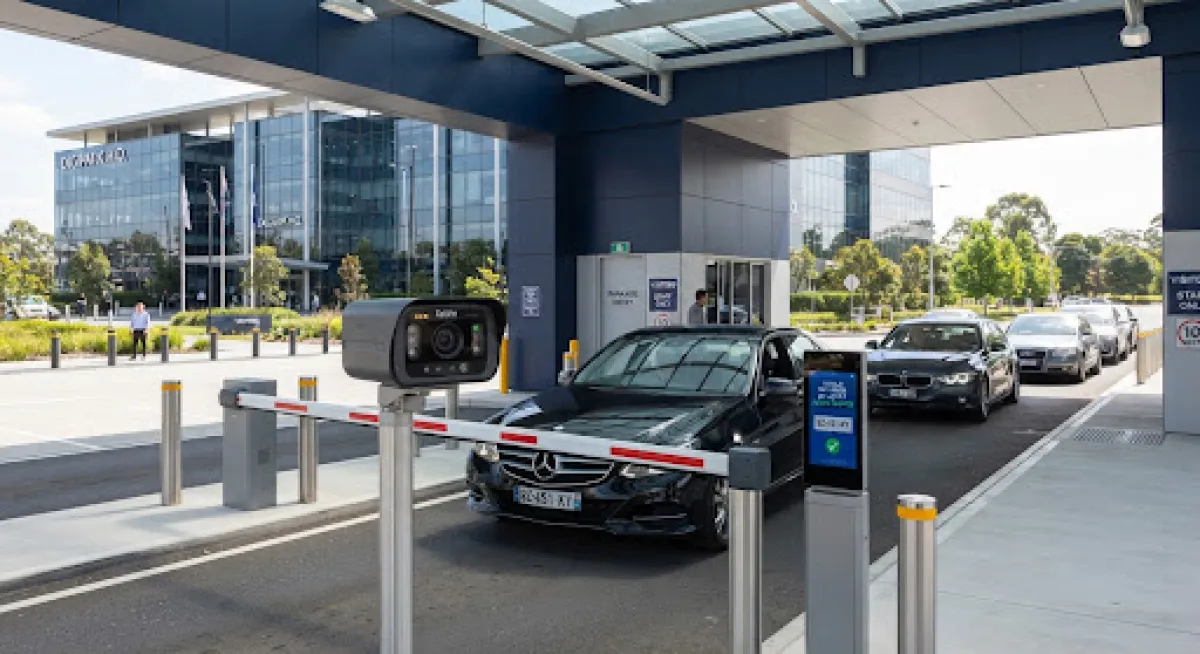
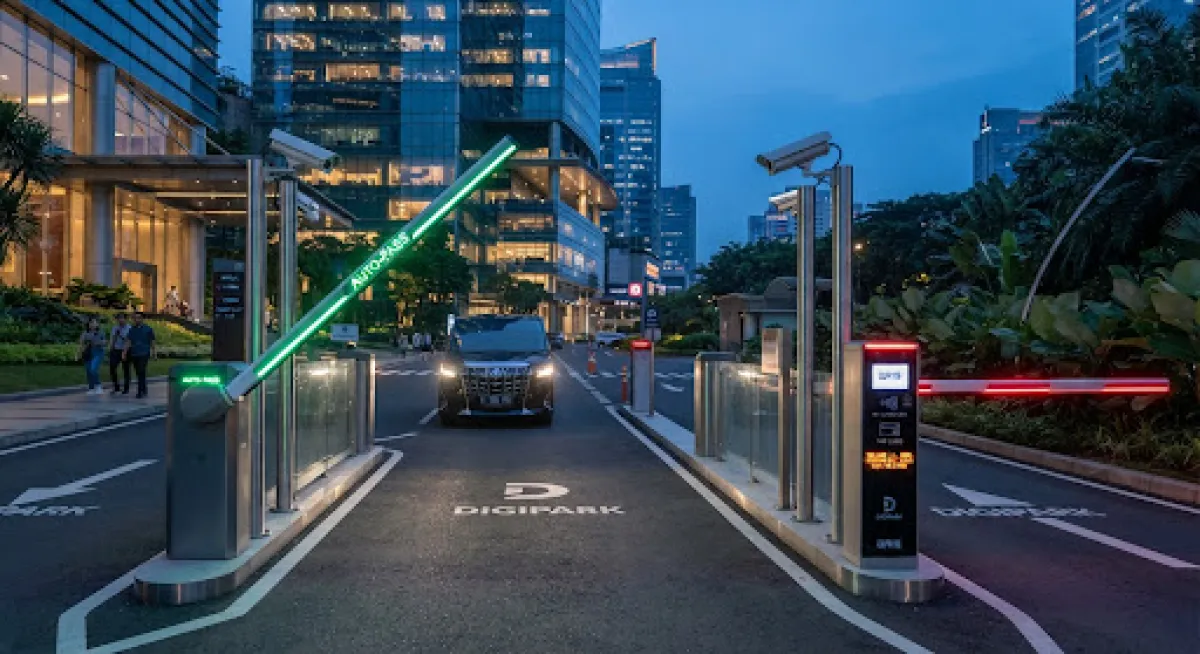
To permanently close this gap, the modern approach requires replacing manual booths with manless barrier infrastructure connected directly to national banking gateways.
Digipark's system combines dynamic per-session QRIS, multi-bank e-money card interoperability, and dual-failover network redundancy so the ledger stays encrypted even when the public connection goes down.
Real-Time Reconciliation with DPS Console (TRX, PTG, MON Modules)
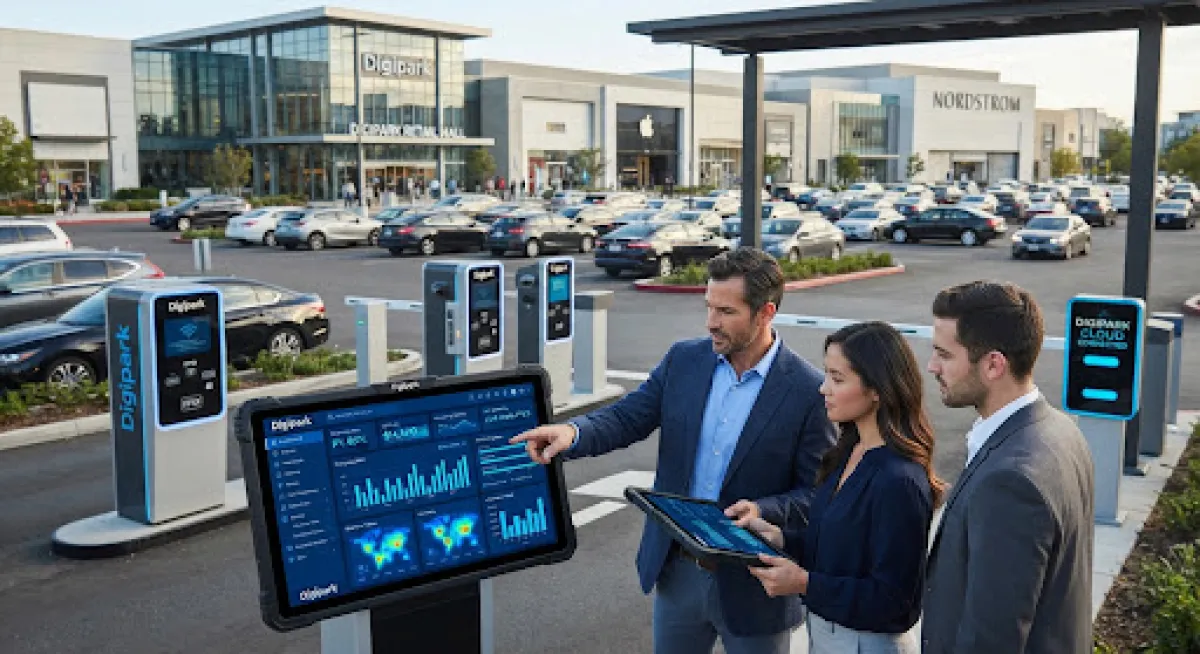
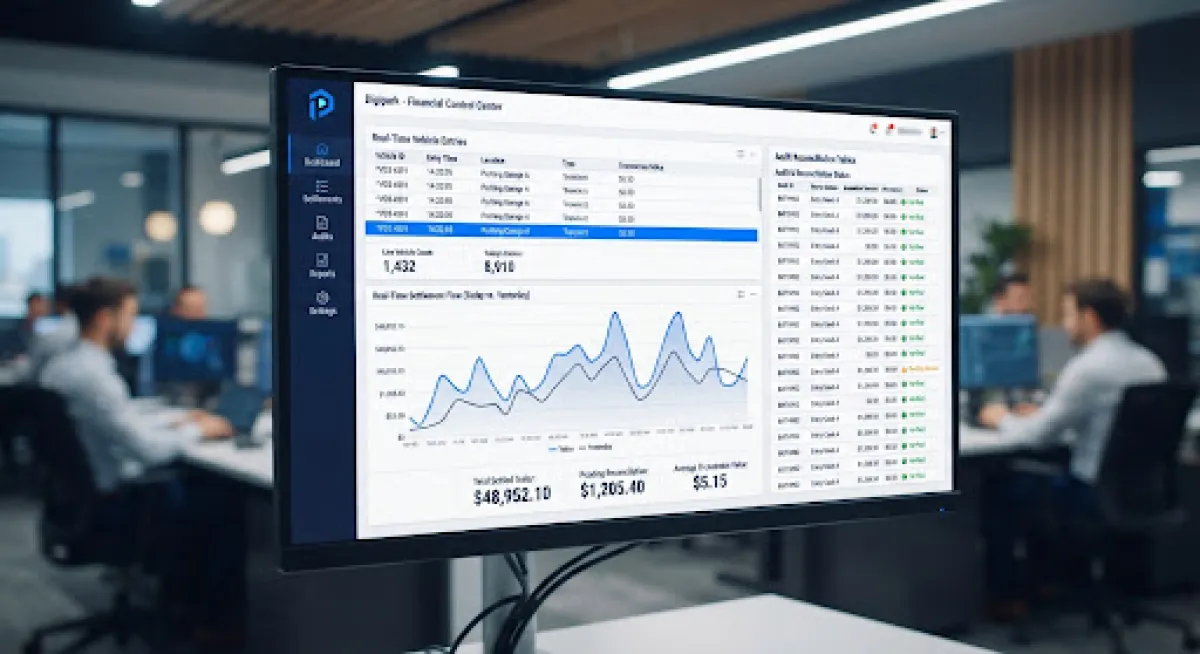
The biggest weakness of traditional parking systems is periodic, retroactive auditing. Digipark's platform introduces the DPS Enterprise Console with three real-time monitoring pillars.
The TRX module logs every transaction with a banking UUID and millisecond timestamp; the PTG module locks gate override actions behind supervisor authentication; the MON module runs a device health-check every 5 seconds.
Implementation Steps for Commercial Facility Managers
Transitioning from a conventional scheme to an automated cashless platform does not require a complete civil-works overhaul. Digipark recommends four measured adoption phases: site audit, IoT terminal installation, hybrid trial run, then a full cutover to 100% cashless.