The Core Difference Between the Two Technologies
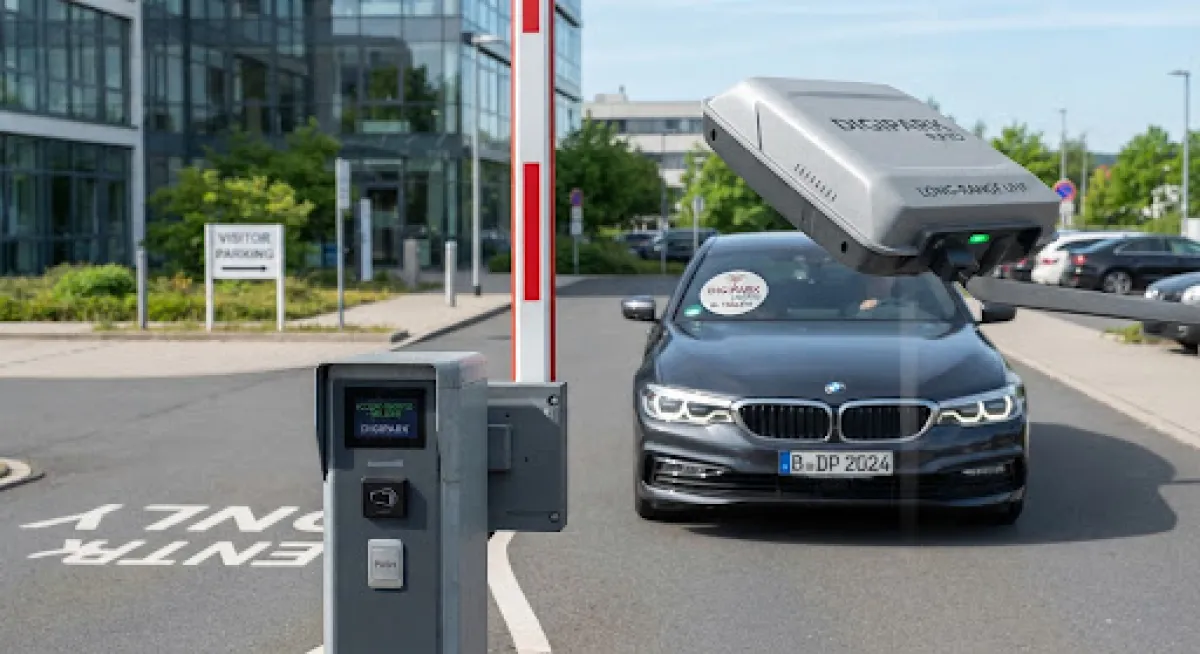
RFID UHF reads passive tags from several meters away without the vehicle stopping. QR barcode requires the vehicle to pull up close to the reader. Both are contactless, but their operational profiles differ.
Practical Considerations Before Choosing
Often the answer is a combination: UHF for priority and executive fleets, QR for general residents, and QRIS for daily visitors — all cross-verified with ANPR.
- Cost per registered vehicle: QR stickers are far cheaper than UHF tags.
- Lane speed at peak hours: UHF excels for a stop-free lane.
- Misuse risk: QR codes are easy to photograph and duplicate.
- Installation complexity: UHF antennas need read-zone calibration.
Migration Path From Legacy Tap Cards
Facilities still using tap cards can run a parallel period: the old readers stay active while new tags are rolled out gradually to residents.